Skip to content

Winter Pest Invaders South Jersey

Winter pest invaders in South Jersey homes — mice and overwintering insects
Cold weather drives mice indoors and pushes overwintering insects into attics and wall voids.

Winter pest invaders in South Jersey include mice seeking warmth and insects that overwinter in attics and wall voids. A fall perimeter service and sealing gaps around pipes, doors, and utilities reduce surprises after the first cold snap.

Mice

Mice are a serious health and sanitation risk once they settle indoors — often in places you do not see without careful inspection. See signs of mice and our rodent control process.

Spiders

Most spiders in New Jersey homes are nuisance species. Venomous spiders are uncommon but possible; bites are rare because most species are timid. Persistent webs often mean insect prey around the structure — addressed with spider control.

Crickets and centipedes

Field crickets are mostly outdoor insects that wander indoors and create noise. Camel/cave crickets can stain fabrics or feed on household materials when abundant. Centipedes are usually nuisance pests; larger ones can pinch if handled roughly.

Before winter hits

Seal gaps, store food tightly, and schedule a fall visit. Call Pest Technologies Medford at (609) 654-1808.

Frequently asked questions

What should I do before winter?

Seal gaps around pipes, doors, and utilities, and consider a fall perimeter service before cold weather drives pests indoors.

Which pests invade South Jersey homes in winter?

Mice are the top concern, along with overwintering insects that settle into attics and wall voids before cold weather peaks.

Should I wait until I see mice?

No. A fall perimeter service and sealing gaps before cold weather reduces winter invasions.

Request a free estimate (609) 654-1808

How Can You Tell If You Have Mice?

House mouse signs — how to tell if you have mice in Medford NJ
One mouse almost never means only one mouse.

How can you tell if you have mice? Mice in a warm, well-stocked South Jersey home spread germs and filth — and they are clever enough to go months without being seen. When you finally spot “a” mouse, it usually represents only a fraction of activity in walls, attics, basements, and nesting areas.

What to look and listen for

  • Listen: Scratching in cabinets, walls, or ceilings — often at night.
  • Food stocks: Holes in dog food or bird seed bags, empty husks, Tupperware with chew holes, crumbled pantry goods.
  • Droppings: Small dark rice-shaped pellets in drawers, cabinets, and feeding areas.
  • Odors / urine: Stale smells in hidden spaces; urine trails can show under UV light.

Why it escalates fast

There are two kinds of homes: ones that have gotten rid of mice, and ones that still need to. Females can produce many litters per year; a small family can multiply dramatically in a few months. Our pet-conscious approach focuses on fast, effective removal plus exclusion.

Next: mice in your house — what to know · Burlington County rodent control · Call (609) 654-1808.

Frequently asked questions

What do mouse droppings look like?

They are typically small, dark, and rice-shaped, often found in drawers, pantries, and along baseboards.

When should I call a professional?

Call when you see droppings, hear nighttime scratching, find chewed packages, or spot even one mouse — especially in fall and winter.

If you’ve found these signs, see what to do when mice are in your house or learn about rodent control.

Request a free estimate (609) 654-1808

Related reading: what to do when mice are in your house. For service, see rodent control.

Mice in Your House? What to Know

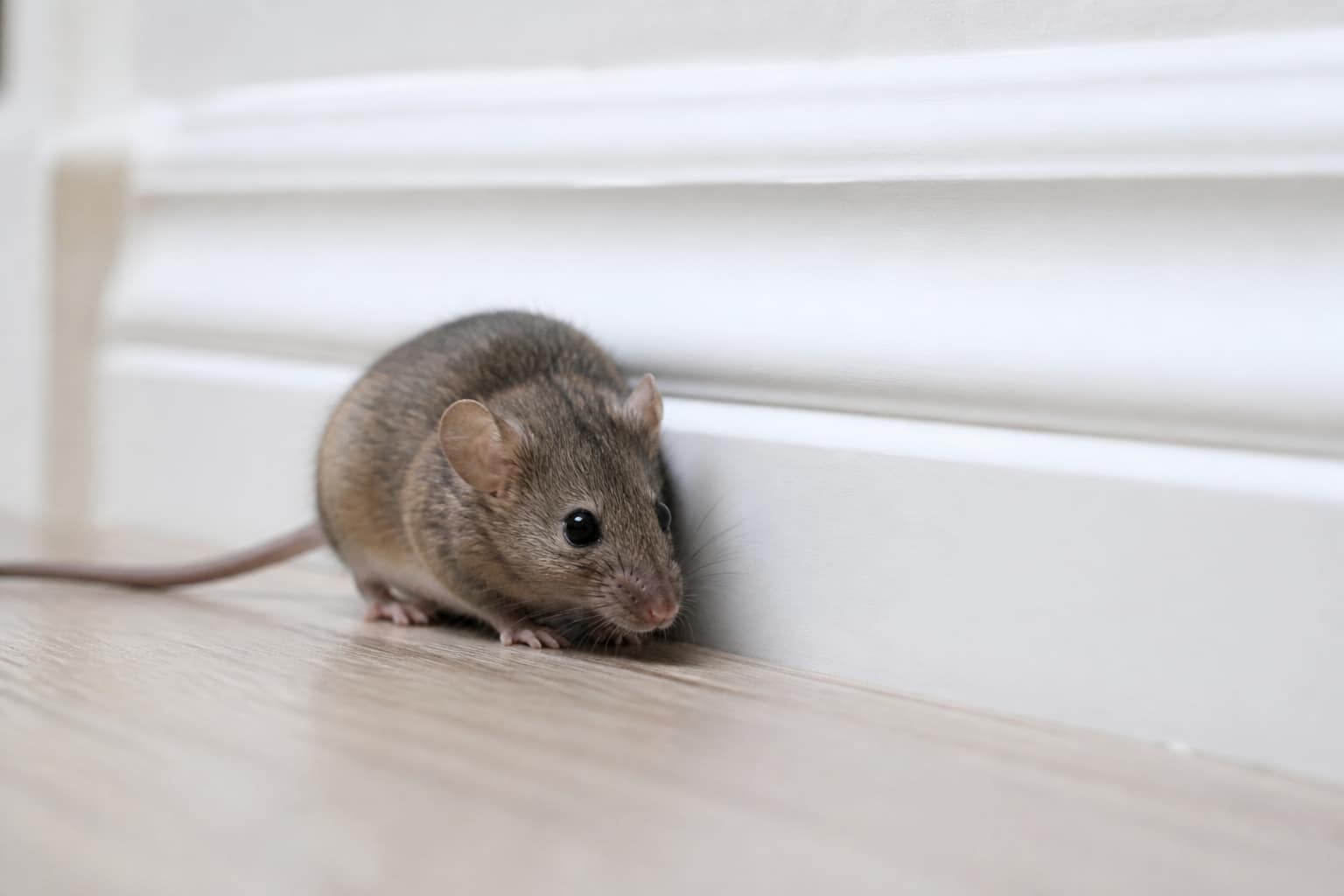
Mouse near baseboard — mice in your house South Jersey guide
October through February is prime mouse season in heated NJ homes.

Mice typically enter South Jersey homes between October and February looking for food, water, and warmth. They may look harmless, but mice can carry many human pathogens and leave dozens of droppings a day.

What you should know

  • They feed many times per day
  • A house mouse can produce roughly 35–95 droppings daily
  • They climb, jump, and squeeze through surprisingly small gaps
  • They live longer in warm houses than outdoors
  • Females can breed at a young age with multiple litters per year — a small problem can explode in about three months

Do you have a mouse problem?

Droppings in drawers and cupboards, shredded nesting material, chewed packages, holes in floors or walls, and stale odors from hidden areas are classic signs. Spotting one mouse usually means more are present or soon will be.

House mice are a health and property threat — not just a nuisance. Read how can you tell if you have mice, then schedule rodent control. Call (609) 654-1808.

Frequently asked questions

How fast can a mouse problem grow?

Females can produce multiple litters per year. A small infestation can become a large one in a few months inside a warm house.

Are mice a health risk?

Yes. Mice can carry many human pathogens and contaminate surfaces and food with droppings and urine.

Still unsure what you’re seeing? Compare the signs of mice in a home or see what our rodent control service includes.

Request a free estimate (609) 654-1808

Related reading: signs that mice are active in your home. For service, see rodent control.